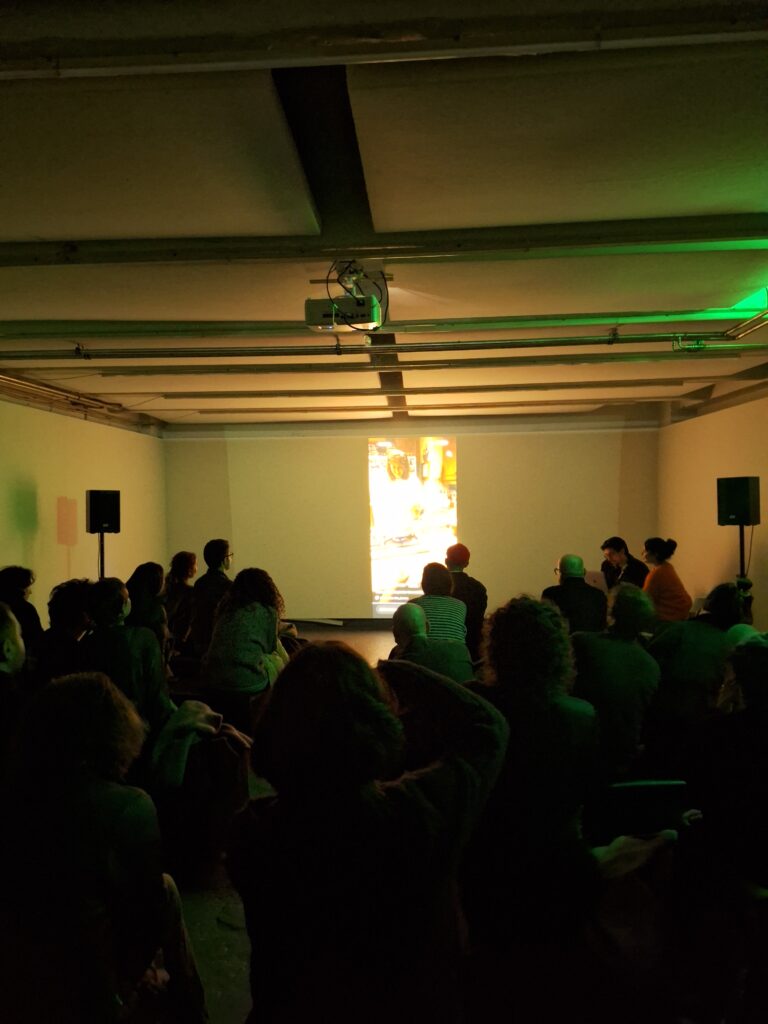
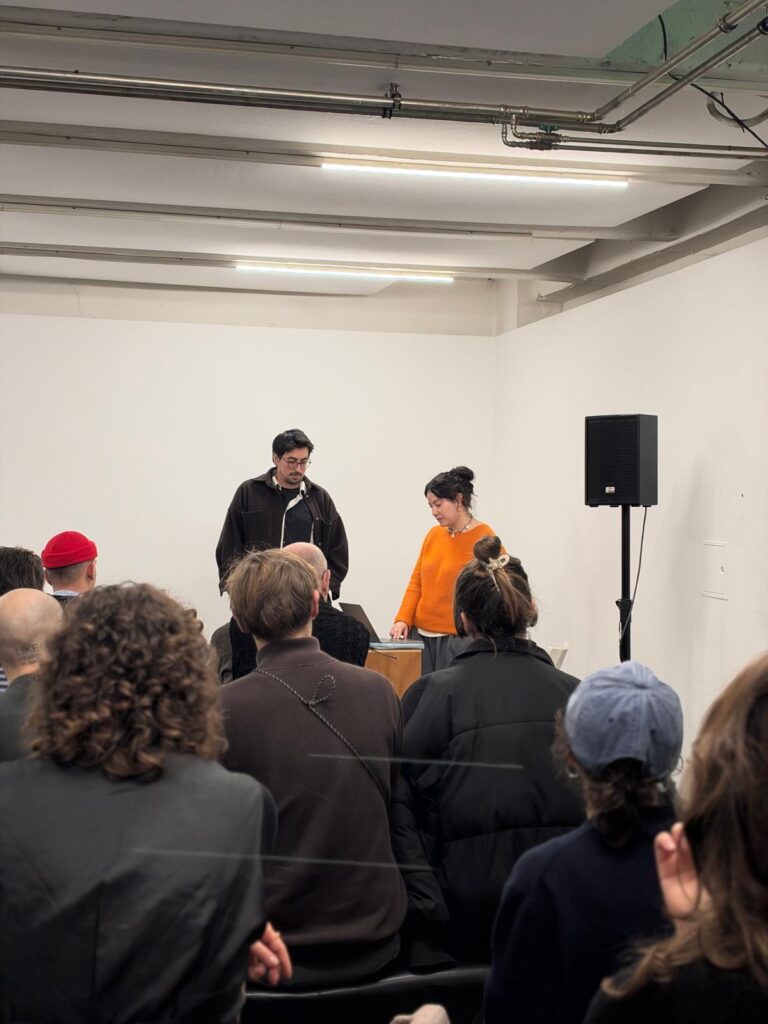
On 3 November, panke.gallery hosted our third session of Collective Scroll, bringing together a full room for a live scroll and an open discussion.
This edition, Nostalgia — Algorithms and Synthetic Memories, focused on the growing circulation of AI-generated images that recreate idealised pasts. Much of the imagery we explored drew on familiar visions of American life, particularly the 1980s, 1990s and 2000s. Domestic scenes and recognisable cultural references offered versions of the past that seemed orderly and reassuring.
We discussed the appeal of these images and the different responses they invite. Familiarity does not necessarily produce attachment, and an image that offers comfort to one viewer may feel distant or unconvincing to another. The conversation explored whether these manufactured scenes could generate a sense of connection, including nostalgia for a time or place someone had never experienced.
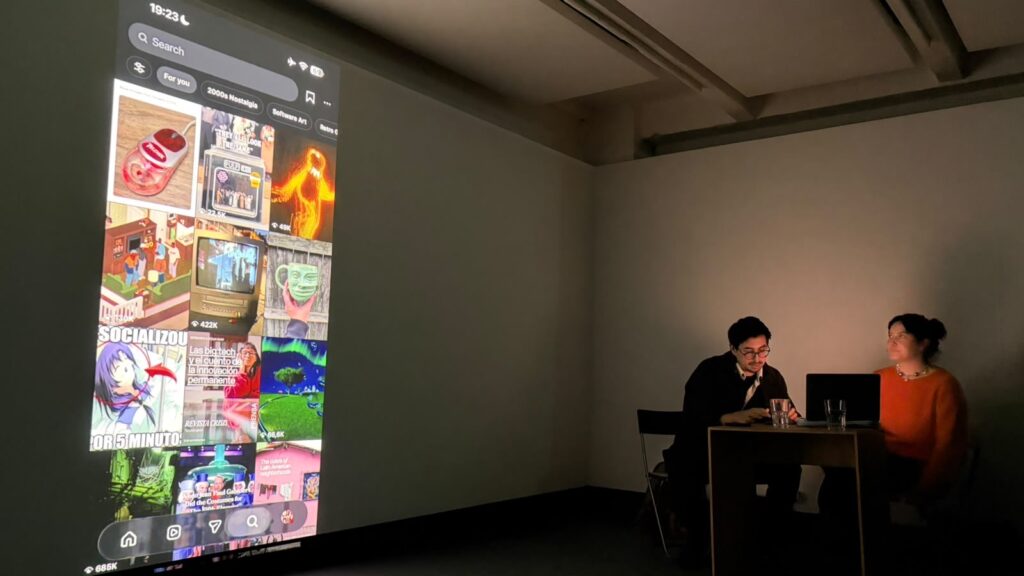
Their American references also became part of the discussion. We considered the reach of American popular culture during those decades and its influence on how the period is remembered beyond the United States. A past can feel visually familiar through films, television and advertising, even when it has little connection to someone’s own experience.
We also discussed who makes these images, what their producers gain from circulating them, and how much of that process might be automated. Participants raised the possibility of systems generating images and running accounts at scale. This opened up questions about the relationship between the emotional appeal of an individual image and the potentially industrial processes behind its production.
A distinction emerged between reinterpreting existing images and manufacturing new images of the past. An archive can be selected, edited and idealised; generative AI can produce scenes that were never photographed at all. We discussed what the accumulation of these images might mean over time, as invented scenes circulate alongside recordings of actual places and events and become part of the material through which the past is encountered.
Looking at the feed together also became a subject of conversation. The presence of other viewers can change our relationship to an image, introducing distance or bringing attention to something we might otherwise pass over. Different readings, questions and disagreements emerged as we watched. The conversation allowed us to consider both what the images showed and how the situation in which we saw them affected our responses.
This is central to Collective Scroll, a format developed by MUDMAP that takes an everyday habit into a shared setting. A feed usually navigated alone becomes something a room full of people can look at and discuss. The critical work happens through that exchange: comparing impressions, following an observation and allowing other people’s experiences to interrupt the familiarity of the gesture.
We are grateful to Noemí Garai Murcia for her generous welcome at panke.gallery and for introducing the evening, and to the gallery team for hosting us. Thank you to everyone who came, shared their thoughts and helped shape the conversation.